Cave Art, Prehistoric Paintings
Cave Art, Prehistoric Paintings


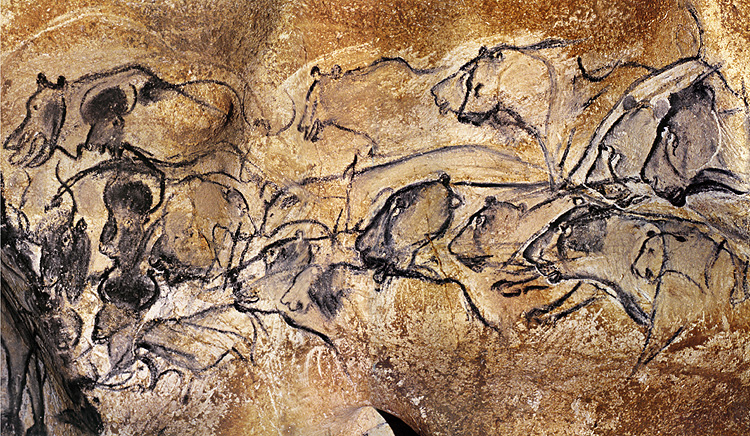
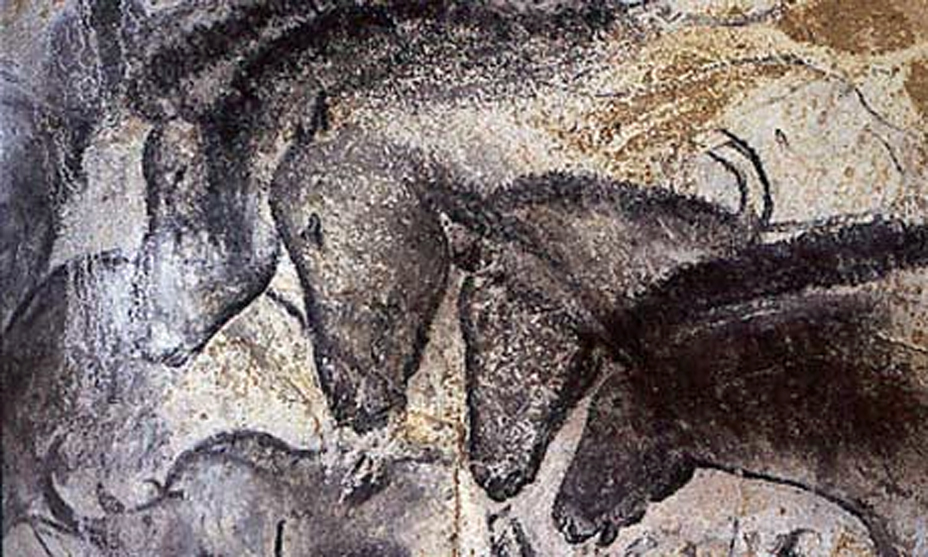
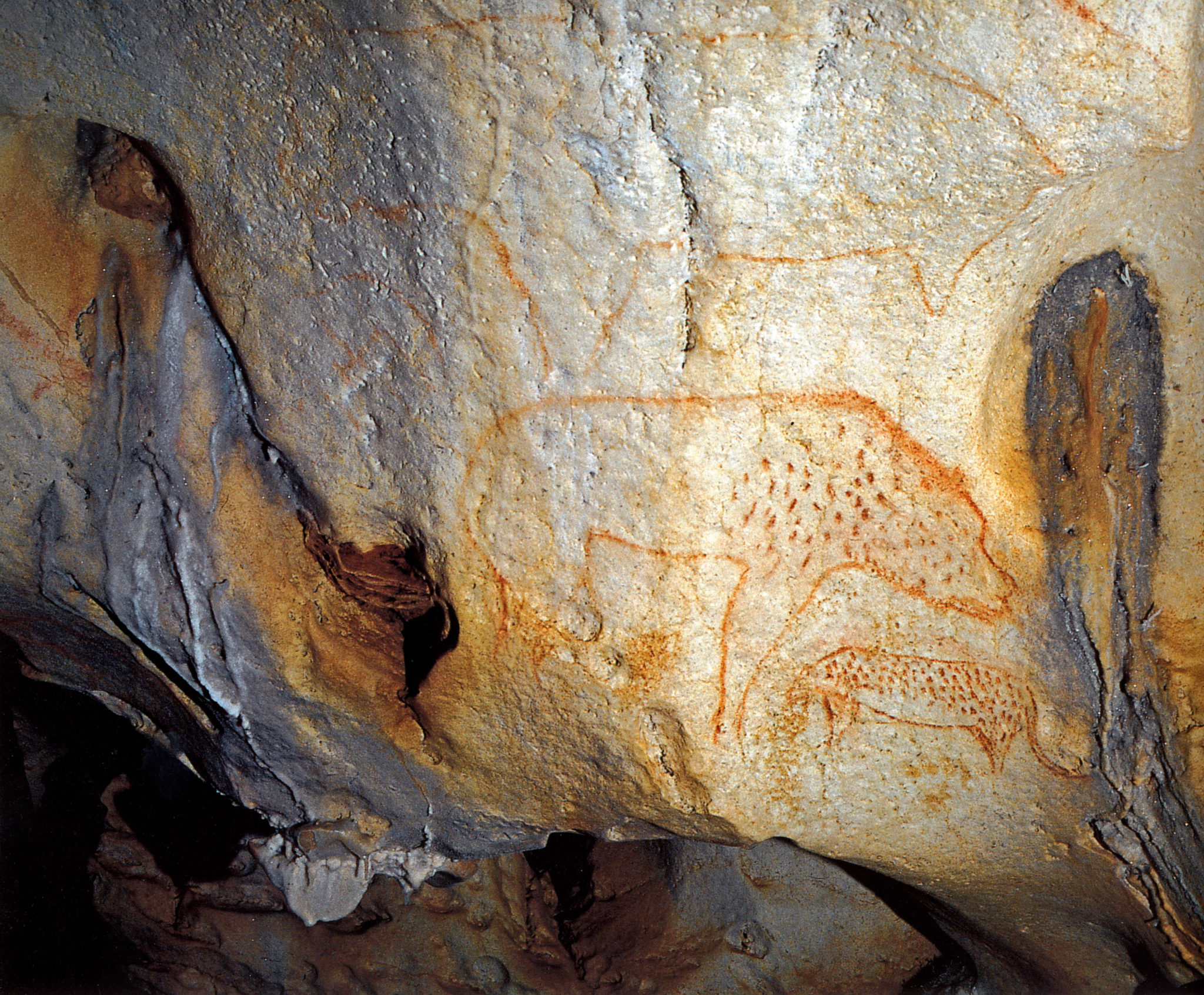
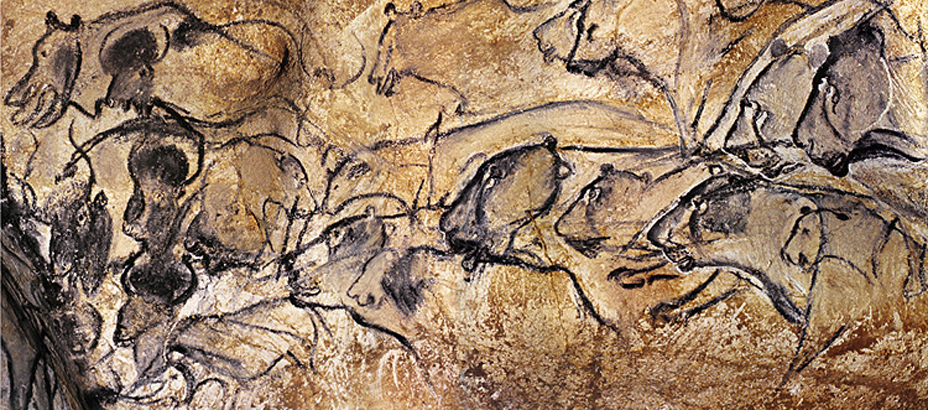
Upon undertaking even a rudimentary study of Prehistoric cave art paintings, it becomes immediately apparent that most of these artworks are located in remarkably inaccessible and dark areas. Examples include those on the island of Sulawesi in Indonesia, the Cueva de El Castillo in Spain, and the Chauvet-Pont-d’Arc Cave in France.
Although most pictures depict herds of animals, research suggests there is little evidence indicating these images were created to enhance hunting success. In many instances, the animals depicted were not a significant part of the diet of the people from that era. This lack of dietary relevance is particularly evident in sites like Chauvet-Pont-d’Arc Cave. Additionally, no substantial evidence supports the idea that these images served religious or initiatory purposes.
Therefore, we are left to consider why such artworks were created away from public view. One possibility is that creating these images was a form of creative and imaginative expression. The artists’ ability to recreate and record observed images of nature might have been seen as an innovative, or even controversial, act by other members of their society. This raises intriguing questions about the role of art and creativity in the lives of early humans and how these activities might have been perceived in their cultural context.
Therefore, we are left to consider why such artworks were created away from public view. One possibility is that the act of creating these images was a form of imaginative expression. The artists’ ability to recreate and record observed images of nature might have been seen as an innovative, or even controversial, act by other members of their society. This raises intriguing questions about the role of art and creativity in the lives of early humans and how these activities might have been perceived in their cultural context.
So, were the creators of these fantastic artworks, whose images speak out to us in a language understandable in the present day, demonstrated by the fact that thousands of years after their installation they have influenced artists close to our own time, such as Picasso, were created by individuals who could have been persecuted for their artistic gifts?
This is witnessed repeatedly throughout human history whenever humanity congregates together; we will single out and attempt to exterminate that which is unique or different.
Is it possible that thousands of years ago the imaginative creative act was observed by those without it as an abnormality? In the same way, imaginative scientific minds in the European Middle Ages were classed as heretics and those advocating equally out-of-the-box ideas are judged and written off as cranks today.
Are we witnessing, in the execution of the paintings, our ancient ancestors becoming modern man through a newly developed faculty, dreaming, leading to introspection and shamanic experience?
Was the act of painting 30 to 40 thousand years ago witnessed by the societies of those times as something alien or unwholesome?
All of us have stared at clouds and experienced the phenomena of images created by our imaginations materializing. The undulating lines and colouring of the cave walls worked in the same way on our ancestor’s imaginations just as does staring at clouds or for that matter anything without a definite pattern. When this occurs the human mind will create images or ideas out of what it conceives as chaotic.
We should also explore the possibility that these illustrations functioned as a type of calendar. Observations of herd animals’ migratory patterns throughout the year reveal a circular rotation. Predicting the herds’ locations would be possible for an intuitive individual who understood that their yearly movements mirrored the circular procession of constellations in the night sky. Individuals possessing this knowledge would have been extremely valuable to their community. To maintain their status, they might have chosen to keep this knowledge secret or exclusive.
After reading the previous statement, one can understand the reason for the development of divination which was and is an attempt to put order into what appears to be a chaotic universe. We should consider this might also have been the motivation or unconscious impetus for creating the paintings.
It is this evocation of the inner world called up into visible appearance in the outer that is the Promethean gift, fire of imagination, the God principle of creating one’s universe. This explains why traditional images of gods generally appear to be replications of the people who worship them; we create our gods in our image.
Research seems to indicate that almost simultaneously this phenomenon of cave painting occurs on a global scale in accord with the theory of “the one hundredth monkey effect which has concepts resonating with Rupert Sheldrake’s morphic field theory.
See Also
Recent Update 44,000-Year-Old Indonesian Cave Painting Is Rewriting The History Of Art
Characteristics for the Occurrence of a High-Current, Z-Pnich Aurora as Recorded in Antiquity
Don’s Maps: Resources for the study of Palaeolithic Archeology/Chauvet Cave
Code Hidden in Stone Age Art Code hidden in Stone Age art may be the root of human writing